Welcome To 5th International Workshop "From Cloud to Things: towards the convergence of IoT, Edge and Cloud Computing" - Cloud2Things 2025


It's Nice To Meet You


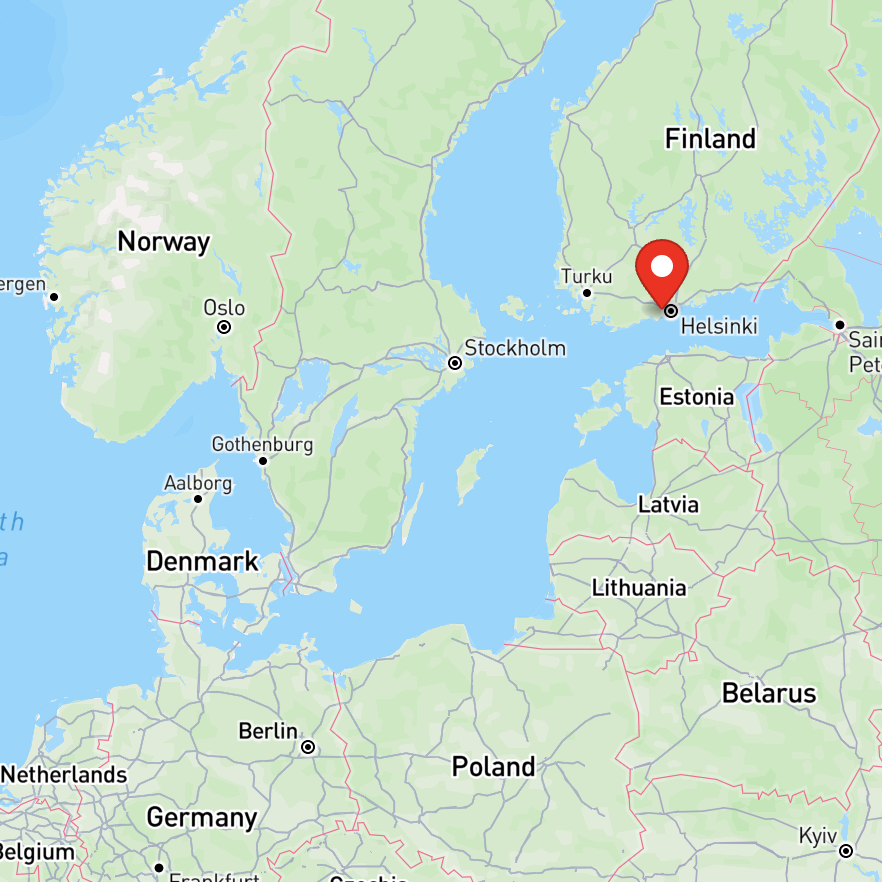
October 12-13, 2025. Espoo, Finland


Workshop Program

The workshop will be held on October 12th, 2025, at the Undergraduate Centre, Otakaari 1, 02150 Espoo

Time Title
14:30 – 14:40 Welcome
14:40 – 14:55 Adaptive Orchestration for Large-Scale Inference on Heterogeneous Accelerator Systems Balancing Cost, Performance, and Resilience
14:55 – 15:10 Opportunistic Federated Learning via Digital Signage for Smart Tourism Environments
15:10 – 15:25 Harnessing Edge Computing and Artificial Intelligence for Real-Time Video Analytics in Disaster Management
15:25 – 15:40 Adaptive Filtering Algorithm for Wi-Fi FTM Distance Measurements
15:40 – 15:55 ARIES: Autonomous Reconnaissance, Inspection and Exploration System for Hybrid Single and Multi-UAV Building Inspection Approach after Disaster
15:55 – 16:00 Closing

Overview

The growing number and complexity of ubiquitous applications, combined with the rising demand for the services they provide, require increasingly robust computing support that must be dynamically provided by powerful and flexible resources. The increasing integration of computing resources across edge, fog, and cloud infrastructures, commonly referred to as the Compute Continuum, presents significant opportunities to enable ubiquitous computing paradigms. The Compute Continuum concept refers to the opportunity to take advantage of a broad ecosystem of heterogeneous and geographycally sparse computing resources that applications access in a transparent and uniform fashion. As emerging applications demand real-time processing, adaptive decision-making, and resilient computing infrastructures, the Compute Continuum becomes a critical enabler in bridging gaps between distributed resources. The integration of ubiquitous computing with the Compute Continuum promises enhanced efficiency, scalability, and responsiveness for a wide range of domains, including the smart homes, smart cities, and cyber-physical systems. Several challenges must be addressed to make this integration profitable. Among them are multi-tier orchestration, efficient latency-sensitive tasks offloading, intelligent workload distribution, and cross-layer security. This "Cloud2Things" workshop aims to bring researchers, practitioners, and industry experts to examine how the Compute Continuum can effectively enable and enhance the Ubiquitous Continuum. Our goal is to discuss state-of-the-art advancements, identify key challenges, and promote collaborations that drive innovation in this fast-evolving field. We welcome contributions from both academia and industry, covering theoretical insights, practical implementations, and real-world applications that showcase the potential of this interdisciplinary domain.

Important dates

Paper Submission Deadline:

6 July 2025 (Extended Firm)

Notification of Acceptance:

20 July 2025

Camera-ready Submisison Deadline:

27 July 2025 (FIRM)

Early registration deadline:

TBA

Paper Submission

We invite original research papers that have not been previously published and are not currently under review for publication elsewhere.
Submitted papers should be no longer than 6 pages in ACM sigcong template format. The review process is single blind. All accepted papers will be published as part of Ubicomp workshops. Proceedings will be published by ACM. The Microsoft CMT service was used for managing the peer-reviewing process for this conference. This service was provided for free by Microsoft and they bore all expenses, including costs for Azure cloud services as well as for software development and support.

A "Best Paper Award" certificate will be conferred on the author(s) of a paper presented at the workshop, selected by the Chairs based on scientific significance, originality and outstanding technical quality of the paper, as assessed also by the evaluations of the members of the Program Committee.

Best papers presented at the workshop will be selected and the corresponding authors will be invited to submit an extended version of their papers for possible publications in:

Submission link

Topics

Download CFP

Workshop topics include, but are not limited to:

Architectures and Frameworks for Compute Continuum and Ubiquitous Continuum

  • Scalable and adaptive architectures for seamless integration of edge, fog, and cloud computing
  • Middleware solutions for interoperability among edge, fog, cloud, and IoT systems
  • Distributed computing frameworks to support latency-sensitive ubiquitous applications
  • Software-defined and AI-driven orchestration for intelligent workload distribution
  • Hybrid and multi-cloud approaches for ubiquitous service delivery

Resource provisioning in in the ubiquitous continuum

  • Dynamic resource provisioning and adaptive load balancing
  • Serverless and microservices computing;
  • Cross-context and cross-domain service migration;
  • Efficient offloading strategies for latency-sensitive and compute-intensive tasks;
  • Network-aware workload placement and orchestration;
  • Blockchain-based and ML-based resource orchestration;
  • Energy-efficient computing and sustainability in the compute continuum.

Data management and analytics

  • Scalable storage architectures in pervasive contexts;
  • Data migration issues across heterogeneous infrastructures;
  • Implementation of data pipes along the Things-to-Cloud path;
  • Data governance in the computing continuum;
  • Distributed analytics in the computing continuum;
  • Orchestration of complex mixed data-parallel dataflow workloads in the computing continuum;
  • Event-driven and publish-subscribe models for real-time processing.

Intelligent and Autonomous Decision-Making

  • AI and machine learning techniques for autonomous resource orchestration;
  • Federated and distributed learning approaches for ubiquitous intelligence;
  • Reinforcement learning approaches for autonomous and distributed systems optimization;
  • ML-based and continuum-powered solutions to enhance adaptivity in the ubiquitous continuum.

Digital Twins

  • Frameworks for Distributed Digital Twins (DDTs) in pervasive contexts;
  • Design methodologies for DDTs;
  • DDT-based applications and solutions in pervasive contexts;
  • Resilient, scalable and secure DDTs.

Security, Privacy, and Trust

  • Secure data sharing and access control across heterogeneous platforms;
  • Privacy-preserving computing techniques in ubiquitous environments;
  • Threat modeling and mitigation strategies for distributed infrastructures;
  • Blockchain and decentralized approaches for trust management.

About

  • October 12-16, 2025

    Espoo, Finland

    Workshop of UbiComp / ISWC

    Conference link
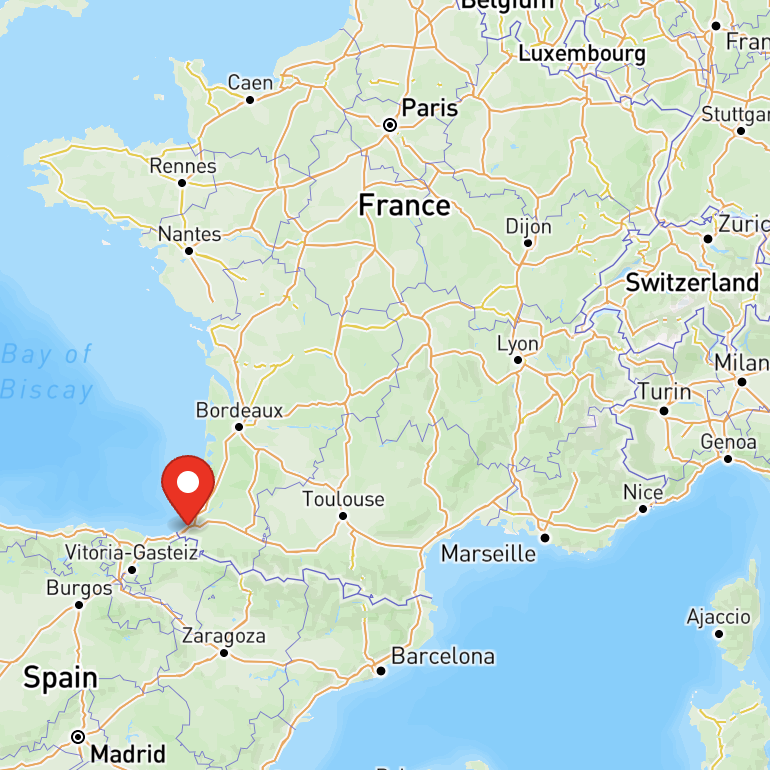
  • Mar 11-15, 2024.

    Biarritz, France.

    Workshop of the 22st International Conference on Pervasive Computing and Communications (PerCom 2024).

    Conference link
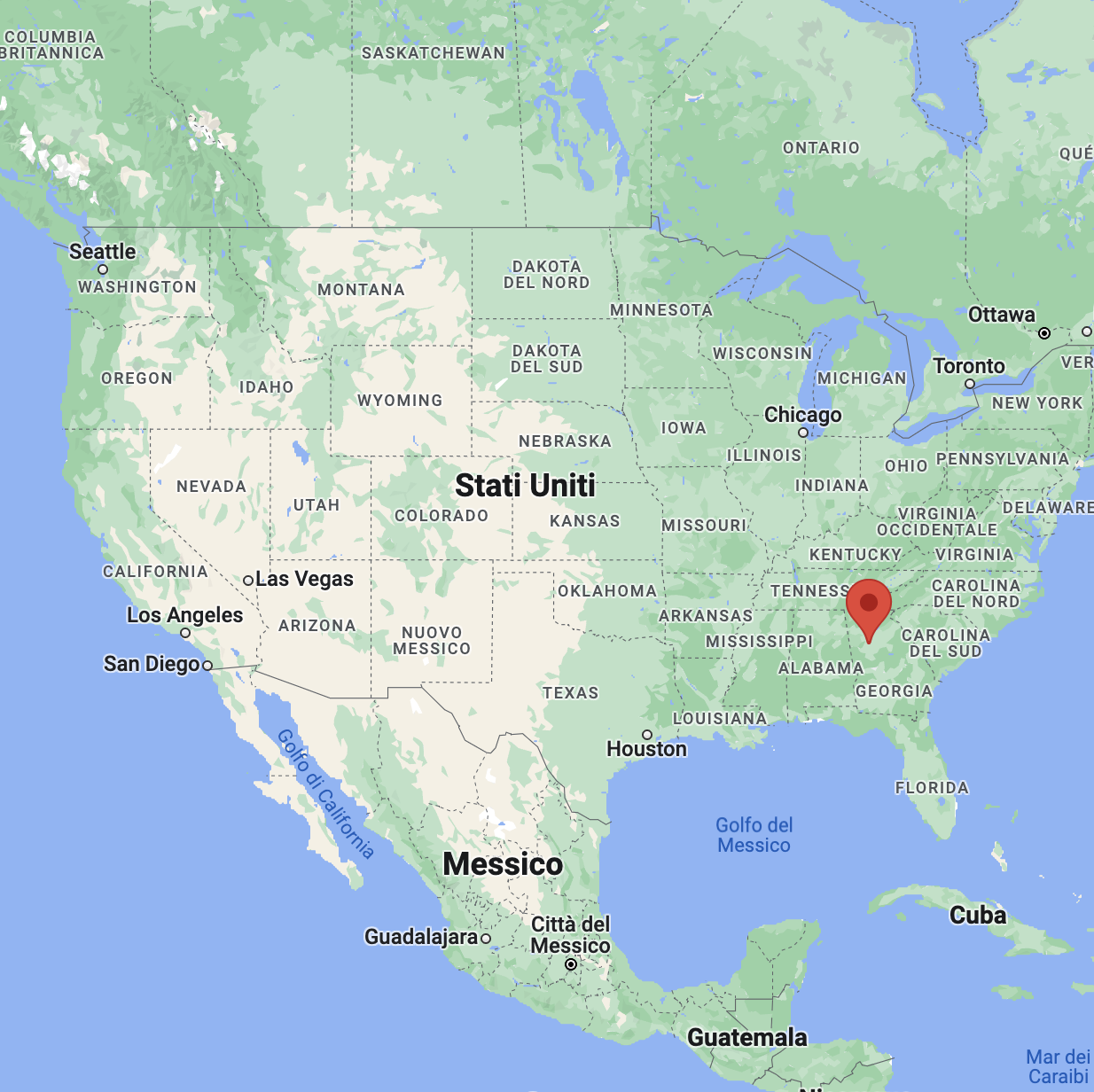
  • Mar 13-17, 2023.

    Atlanta, USA.

    Workshop of the 21st International Conference on Pervasive Computing and Communications (PerCom 2023).

    Conference link
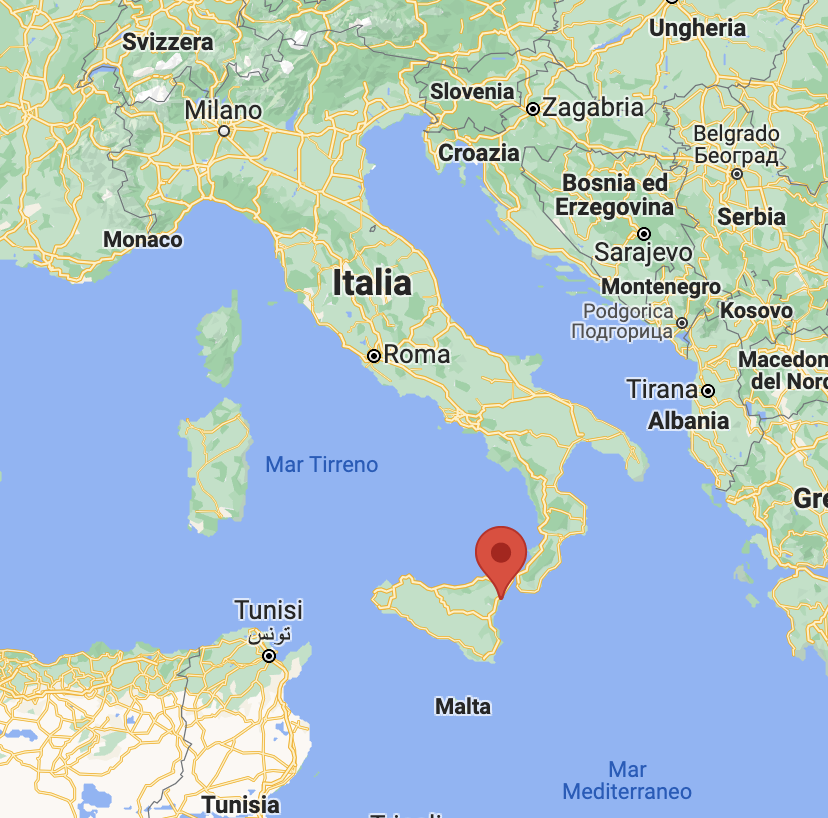
  • May 16 - 19, 2022.

    Taormina, Messina, Italy.

    Workshop of the 22nd IEEE/ACM International Symposium on Cluster, Cloud and Internet Computing (CCGrid 2022).

    Conference link
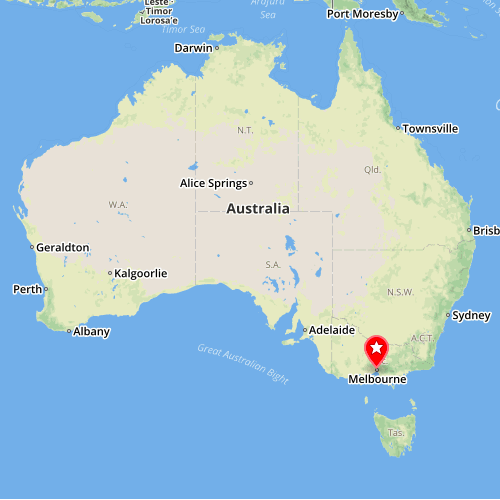
  • May 10 - 13, 2021.

    Melbourne, Australia.

    Workshop of the 21th IEEE/ACM International Symposium on Cluster, Cloud and Internet Computing (CCGrid 2021).

    Conference link
  • Be Part
    Of Our
    Story!

Technical Program Committee

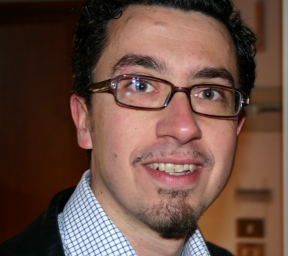
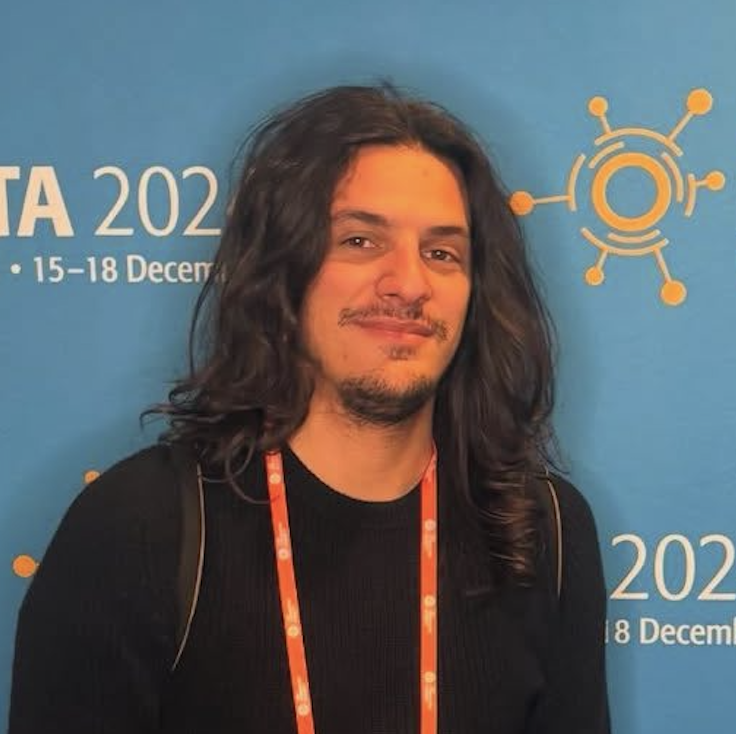
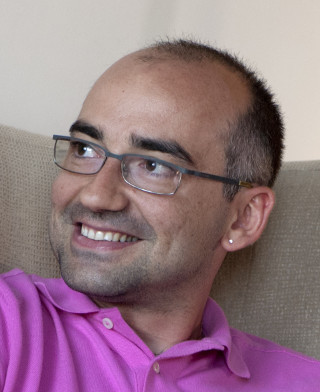
Chairs

Prof. Paolo Bellavista

Dr. Alessio Catalfamo

Dr. Giuseppe Di Modica

Dr. Ioannis Konstantinou

Dr. Antonino Galletta


TPC Members

Mónica Aguilar Igartua - Universitat Politècnica de Catalunya
Uwe Breitenbücher - University of Stuttgart
Alina Buzachis - University of Messina
Lorenzo Carnevale - University of Messina
Paulo Ferreira - University of Oslo
Stefano Forti - University of Pisa
Dragi Kimovski - University of Klagenfurt
Ioannis Konstantinou - Department of Informatics and Telecommunications, University of Thessaly
Christos Kotselidis - University of Manchester
Francesco Leotta - Sapienza Università di Roma
YINHAO LI - Newcastle university
Hiram H. López - Cleveland State University
Roberto Marino - Consiglio Nazionale delle Ricerche
Andrea Marrella - Sapienza Università di Roma
Suejb Memeti - Blekinge Institute of Technology
David Monschein - Karlsruhe University of Applied Sciences
Joan Navarro - La Salle Campus Barcelona - Universitat Ramon Llull
Nikolay Nikolov - SINTEF AS
Fernando Perales - JOT INTERNET MEDIA
José Antonio Peregrina - Karlsruhe University of Applied Science
Thomas M. Prinz - Friedrich Schiller University Jena
Fabiana Rossi - University of Rome Tor Vergata, Italy
Skhiri Sabri - EURANOVA
Christian Sicari - University of Messina
Ahmet Soylu - OsloMet - Oslo Metropolitan University
Dimitrios Tsoumakos - National Technical University of Athens
Ester Vidaña-Vila - La Salle Campus Barcelona - Ramon Llull University
Alex Vieira - Universidade Federal de Juiz de Fora
Oliver Waldhorst - Karlsruhe University of Applied Sciences
Christian Zirpins - Karlsruhe University of Applied Sciences
Nochta Zoltán - Karlsruhe University of Applied Sciences
NTUA

National Technical University of Athens

UniMe

University of Messina

unibo

University of Bologna

FcrLab

Future Computing Research Laboratory

ACM

ACM

Contact Us

cloud2things@googlegroups.com